

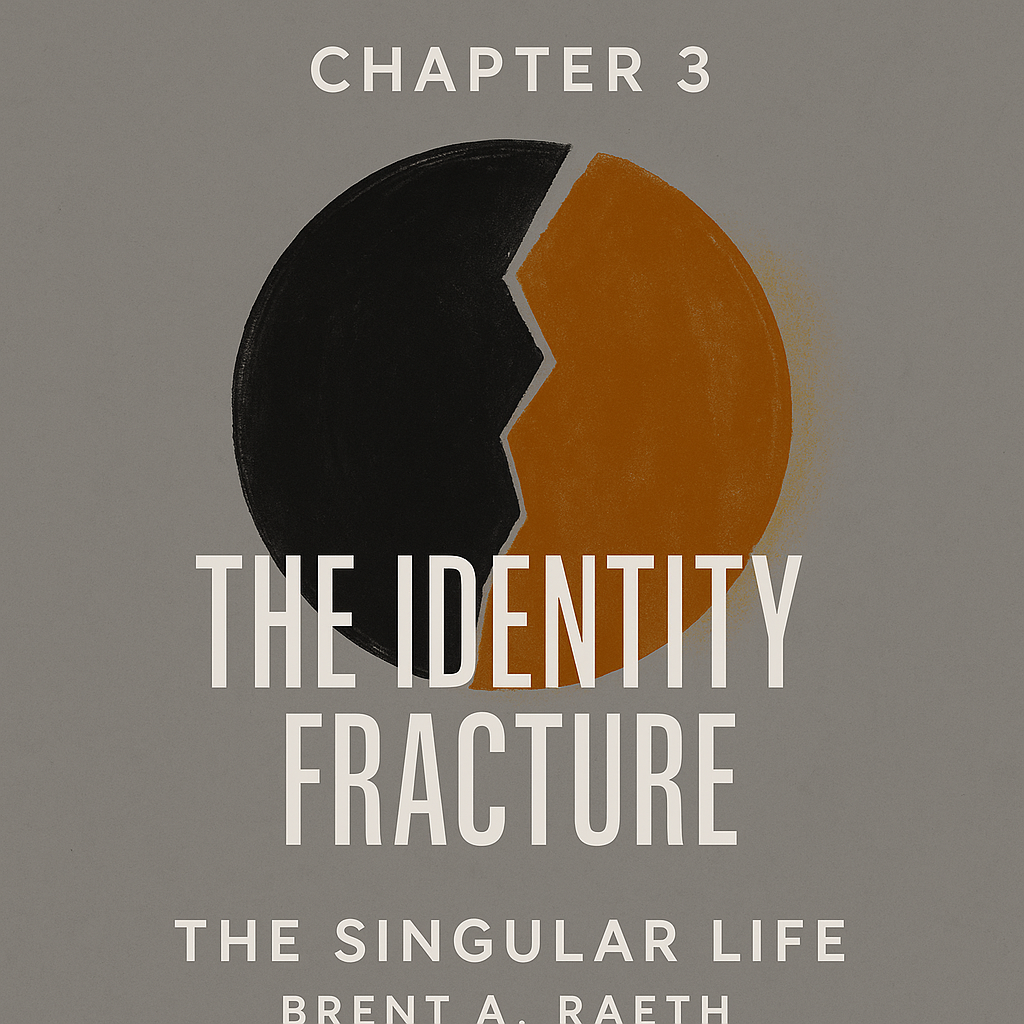
For years, people have been told to strive for “work-life balance.” In Chapter 3 of The Singular Life, I challenge this idea as one of the most misleading promises in modern life. Balance sounds appealing, but in reality it sets us up for frustration. Instead of creating peace, it leaves us constantly juggling, exhausted, and falling short in both areas.
Why Balance Doesn’t Work
The problem with balance is that it assumes work and life are two opposing forces that can somehow be kept in perfect proportion. But life is rarely predictable. Deadlines shift, crises emerge, and family needs change without warning. Trying to keep everything evenly balanced leads to guilt when one side gets more attention than the other. The pursuit of balance turns into a treadmill with no finish line.
The Cost of the Chase
When we chase balance, we end up feeling like failures. We overcommit, believing that with enough effort we can keep everything steady. The result is burnout at work and emptiness at home. What’s worse, balance often encourages compartmentalization, acting one way at the office and another way with family, which only deepens the split life problem.
A Better Alternative
Chapter 3 argues that instead of chasing balance, we should pursue integration. Integration means bringing consistency and authenticity into every environment. Instead of trying to divide time perfectly, we choose to live with the same values in both places. This doesn’t mean work and home require the same energy at all times, it means they are no longer in competition.
Living With Integrity, Not Balance
The chapter closes with an invitation to reject the illusion of balance and replace it with integrity. When we stop measuring success by how evenly we distribute our time, we begin to focus on who we are becoming. Work and home become connected parts of one life, not two rival forces pulling us apart. That shift is where freedom begins.
Leave a Reply